Tag: Reggio Emilia

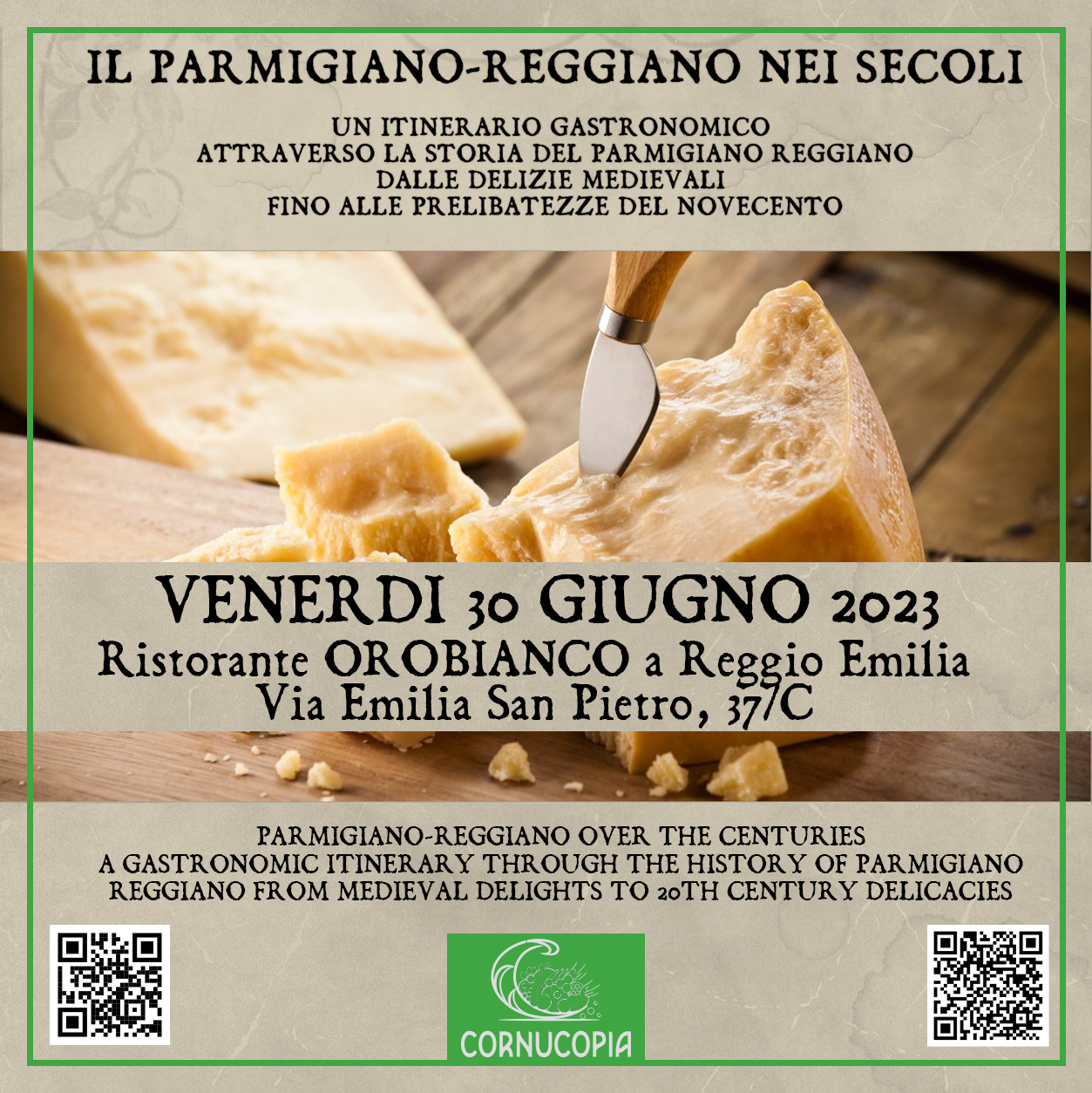
  • Un evento sulla storia del Parmigiano Reggiano

    Un evento sulla storia del Parmigiano Reggiano

    Nuova data 30 Giugno 2023!

    Finalmente ci siamo, sono ricominciati gli eventi Cornucopia per riscoprire le tradizioni enogastronomiche dell’Emilia-Romagna!

    L’Emilia-Romagna è una regione dell’Italia famosa per la sua cucina e i suoi piatti tradizionali. Tra questi, uno dei più noti e apprezzati in tutto il mondo è il Parmigiano Reggiano, un formaggio dalle origini antichissime che è diventato un simbolo della gastronomia italiana.

    Per riscoprire la storia e le tradizioni legate a questo formaggio, ho organizzato assieme l’associazione culturale Opalia una cena presso il nuovissimo ristorante Orobianco a Reggio Emilia.

    La cena, che si terrà il 30 di Giugno, sarà un’occasione unica per gustare piatti selezionati e preparati sulla base di ricette antiche, che rappresentano un vero e proprio viaggio nella storia della cucina emiliana dove si produce storicamente questo meraviglioso formaggio “a grana”.

    Nei prossimi giorni su questo blog pubblicherò una serie di articoli che ci accompagneranno per mano alla serata con una storia dettagliata della caseificazione fino alla creazione del consorzio e del disciplinare corrente.

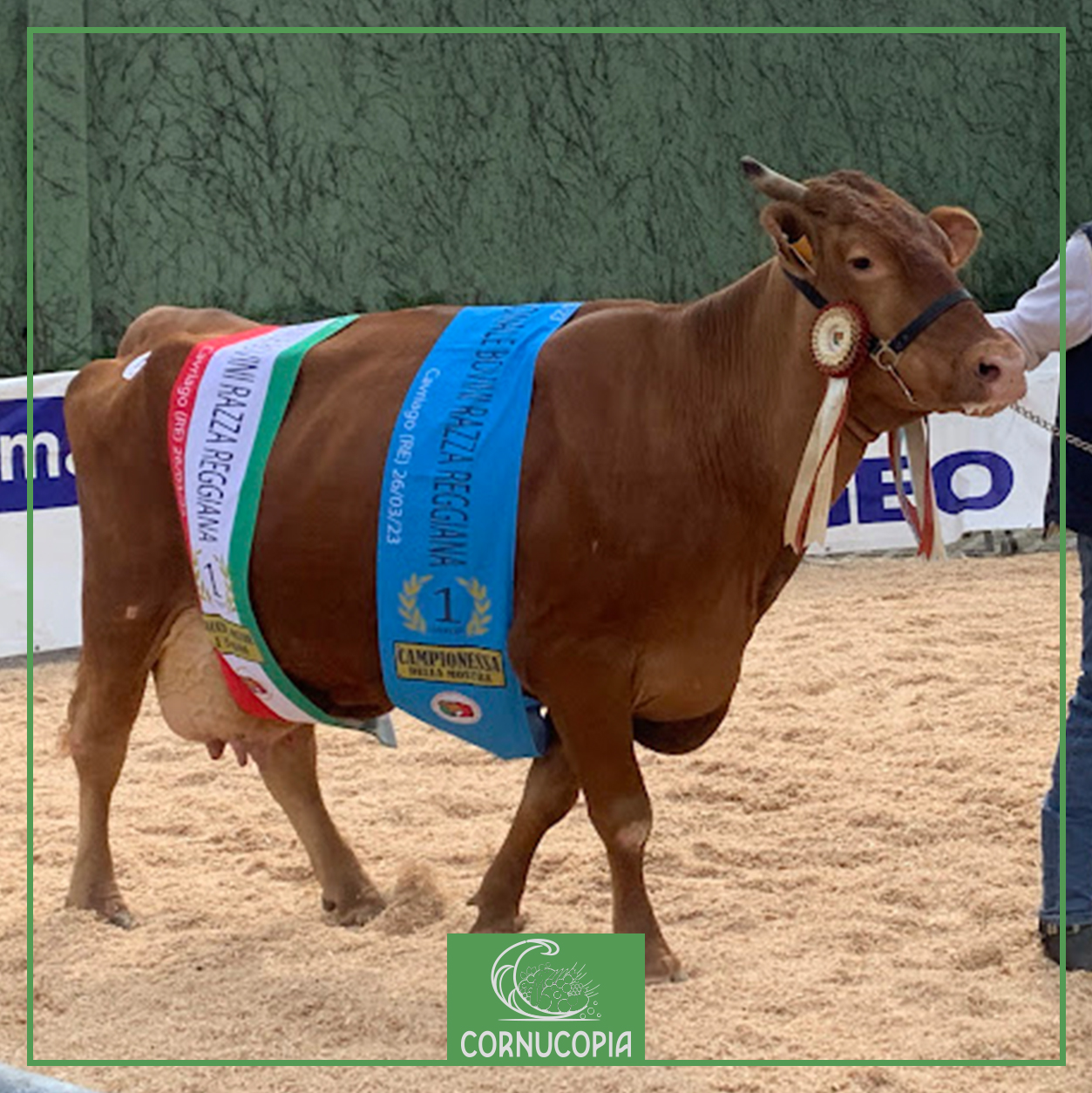
    Sul blog è già stata pubblicata la storia della vacca Rossa Reggiana, la nostra autoctona di origini longobarde la cui vita è strettamente correlata a questo formaggio.

    Il menù della serata

    Il cuoco della storia Claudio Cavallotti presenterà tutte le portate della serata spiegando il contesto storico in cui sono state create. Attraverso una serie di piatti selezionati verrete trasportati dal tardo Medioevo fino agli ultimi secoli, in un percorso entusiasmante e ricco di sapori.

    Il percorso si articola attraverso i seguenti piatti:

    • antipasto, un particolare tortino del Novecento
    • primo, lasagne del Quattrocento, le famigerate “laganam cum caseo” di fra Salimbene
    • secondo, a base di Mora Romagnola e come contorno uno sformato di Parmigiano dell’Ottocento
    • dolce, un budino del Settecento, sempre a base di Parmigiano Reggiano

    Durante la serata sarà disponibile su richiesta un’alternativa senza carne (tuttavia, si ricorda per correttezza che il Parmigiano Reggiano viene prodotto utilizzando caglio animale). È importante che vengano segnalate in fase di prenotazione eventuali allergie alimentari!

    Come prenotare

    Le prenotazioni per la cena possono essere effettuate inviando una email a info@idea-cornucopia.it o un messaggio WhatsApp al numero 328 308 8091, oppure tramite le pagine Facebook del progetto Cornucopia o dell’Associazione Culturale Opalia.

    È necessario il raggiungimento di una quota minima di persone per l’evento, in caso di mancato raggiungimento verrà emesso immediatamente il rimborso.

    Per la serata è richiesto un contributo di € 40 a persona a favore dell’associazione Opalia, impegnata dal 2021 in opere divulgative sulla cultura gastronomica ed alimentare, importo che comprende anche acqua e due bicchieri di vino. Ulteriori bevande possono essere comunque consumate e pagate al locale dove è presente una gamma di vini genuini della campagna reggiana.

    🧀 Se volete, durante la prenotazione è possibile anche prenotare un kg di Parmigiano di Vacche Bianche Modenesi, allevate al pascolo secondo la tradizione dei secoli scorsi (la Vacca Bianca è un animale di pianura), con l’aggiunta di € 20 alla donazione (€ 60 totali).

    Se volete potete anche donare direttamente qui, mandando un’e-mail dopo la prenotazione: https://paypal.me/cornucopia20

    Dove e quando

    L’evento si terrà presso Orobianco, Via Emilia San Pietro, 37/C. Potete prenotare anche li se volete!

    Le coordinate GPS sono: 44°41’47.2″N 10°38’13.1″E (44.696444, 10.636966) (Google Maps non è molto preciso, ci troverete davanti la chiesa di San Pietro.

    Evento Eventbrite: https://www.eventbrite.it/e/661594054627

    Ci vediamo lì!

    La cena sulla storia del Parmigiano Reggiano è un’occasione unica per scoprire la storia e le tradizioni della cucina emiliana, attraverso piatti selezionati e preparati sulla base di ricette antiche. Non perdete l’opportunità di partecipare a questo evento unico nel suo genere e prenotate subito il vostro posto!

  • Italy’s ancient fruit preserves: the history of mostarda 🏺

    Italy’s ancient fruit preserves: the history of mostarda 🏺

    Pliny the Elder’s bones were tested by a youth spent in war among the Germanic peoples, his skin mottled with scars and signs of military life. He found relief when he walked thoughtfully and meditatively among the cultivated fields in the Roman countryside. Pliny stopped near a tree around which a vine filled with large sweet berries had grown. A vine grown in the Etruscan way. The sun was high on that autumn afternoon, Pliny picked a few grapes, held them up to the light, ate them, and noted the shape and characteristics of each berry. In the midst of the fields there were men gathering clusters in large containers. The scents of fruit and cooked must soon mingled together. This year Pliny turns 2000 years old, but the tradition of cooking grape juice to reduce it to syrup is much older.

    In Pliny’s time, the countryside was cultivated orderly close to the large urban centers. Despite the hard work in the fields and legions, these men followed a predominantly vegetable-based diet, even the richest patricians and emperors. Eating little and in a controlled manner was an important cultural tradition for them, but they were also able to enjoy a rich and complex cuisine where sweets were mostly made of fruit, a delightful symbol of prestige.

    The farmers of the ager cultivated the vine according to techniques learned from the Etruscans and Greeks. In addition to wine, which as one can imagine required complex processing for the time and various corrective interventions, grapes were also used as a sweetener, alongside honey, a tradition that has been passed down to this day, although not always in an obvious way (I will talk about this later). One of the most popular uses of grape must, to prolong its preservation, was in fact to cook it.

    Even today, cooked must is the basis, for example, of Traditional Balsamic Vinegar of Modena, in some remote farmhouses in Modena and Reggio Emilia, some enthusiasts still cook must in large cauldrons inherited from their grandparents. Even then, 2000 years ago, the must collected from these vines twisted around the trees (an article on the so called married vines will arrive shortly) was boiled, spreading the scent carried by the autumnal breezes in the air. This must was then used, among other things, to preserve fruit. During this period, cooked must coexisted with mostarda, the latter being an appreciated ingredient in spelt sausages and some vegetables, while the syrup obtained from reducing grape juice already had multiple purposes, such as a preservative for fruit.

    Under the banner of the Visconti’s blue dragon over a millennium later, in the medieval period, cooked must reappears once again used as a condiment and preservative, this time enriched by apothecaries with ground and boiled mustard seeds, another ingredient of ancient origin that made it an appetizing spicy condiment to use on meats (no, not yet paired with cheese, “It is ideal for marinated pork and tench” cites the Liber de Coquina, which also suggests enriching the must with cloves, ginger, cinnamon). It was a spicy must, in short, “mustum ardens”, present at that time in the kitchens of House Gonzaga in Mantua in northern Italy and then spread throughout the known world. Let us not forget the commercial power of these two ancient Lombard families.

    It is in this late medieval period that mostarda appears as we know it today. The term will re-emerge in French and English attributed only to the element that enriches the must, the “mustard” seeds. Up there this term would then become forever identified with mustard (which, in Italy is called senape), also worked as it was in that period, boiled (in vinegar) for days to remove the bitter tones. It is interesting to note a note dating back to the Venice of the 14th century, where the fat that dripped from the roasts was added to this sauce.

    De musto et mustarda: sic para mustum pro mustarda conficienda: accipe mustum nouum, fac eum bullire quod quarta pars solum remaneat uela. Et caue a fumo et spumetur bene. Deinde, semen senapi cum predicto musto distemperando tere fortissime. Postea, pone in barillo, et poterit conseruari per 4 menses. Et ualet pro carnibus porcinis uel tincis salsatis. Mustum poteris seruare pro aliis ferculis. Liber de Coquina, XIV sec.

    In the 15th century, Maestro Martino mentions a white mostarda made with almond paste, mustard, agresto (sour grape juice) or vinegar and breadcrumbs, and a red mustard that contained raisins. Interesting is the reference to a third dry mustard, “da cavalcata” (“suitable for riding”), to be kept in saddlebags during journeys and then revived when necessary.

    A few centuries pass and Christopher Columbus sets foot in the future Americas. The Middle Ages academically ends here and scattered mentions of mostarda appear, but it is still difficult to understand exactly what is meant by this term, apart from the name, there are no references to the processing.

    Persutti accedant primo, bagnentur aceto,Apponatur apri lumbus, cui salsa maridet,Tripparumque buseccarumque adsit mihi conca,Rognones vituli lessi sapor albus odoret,Insurgant speto quaiae, mustarda sequatur!Sic vivenda vita haec: veteres migrate fasoli!Teofilo Folengo, XVI sec.

    L’assenza vostra ci corrompe ogni piacere, et non sinit esse integrimi; però tornate ed arete mustarda, e ogni bene che con voi ne portaste.Francesco Berni, XVI sec.

    We finally arrive in Carpi in the Renaissance period where grape must and mostarda are finally united in marriage (the famous “mostarda fina” on which I absolutely want to write an article in the future, but the documentation is scattered and difficult to find). Mustard begins to detach from the saba and will still appear with more or less shaded differences with the term “savor” (from saba, precisely, the cooked must) in the Bolognese and throughout Italy south of Lombardy, think of Sicilian mostarda, thickened with flour. Remaining in Emilia-Romagna, at the end of the 19th century Artusi mentions it as an excellent product of Savignano on Rubicone, for example, but the popularity of this condiment will remain linked to Lombardy and the territories of House Visconti and House Gonzaga influence as candied fruit immersed in a sugar and mustard syrup. It becomes, in effect, a “conserva”.

    It is worth making a quick note at this point about the city of Modena and its “mele campanine” (Campanine apples). The characteristic Campanino becomes the most distinctive element of Mantuan mostarda. Let us not be surprised, Modena had a brief period of Mantuan domination and anyway the relations between House Este (let us think of Isabella d’Este) and Gonzaga have always been very close. At an enogastronomic level, Modena is closer to Mantua than it is to Rimini or Cesena.

    We have as we have already said arrived at the 1800s, the century of Pellegrino Artusi. In an early 20th century text, the mustard of Cento is mentioned… I have found nothing about it, but if anyone has any information, please write me an email or share the research on the Facebook group of historical gastronomy enthusiasts or on the Telegram group.

    In this period, the documentation is richer and more generous. The mustard contained in the “mostarda”, it is said, was used to cover some defects of meats and preparations, it is not difficult to think that this has always been one of its main uses.

    Essentially, there are three different types of varying quality, also derived from the increasingly abundant presence of sugar that replaces the cooked grape must and honey: those based on reduced wine or cooked must are the cheapest and can be clarified with egg white (we remember the controversy over “vegan” wines), in the middle range are those based on honey (“mele” in old italian), and finally the best, based on sugar. With the spread of sugar beet in the Napoleonic period, these too will become a popular product, detached from court gastronomy. The historian Marc Bloch, as we all know today, wrote a seminal text on the production of jams (and yes, the differentiation of citrus-based marmalade is recent history).

    Two centuries ago, the production of these motarde, apart from the sugary base, was nevertheless similar. There are fascinating descriptions of early 20th-century procedures that describe fruits dried in the sun instead of candied. The mostarda was cooked on the edges of large cast-iron stoves where it had to simmer gently and be frequently stirred and skimmed so that the juice would not stick to the bottom. Interesting are the packaging techniques of our fathers, who filled the jars starting from the fruit that remained on the surface and therefore less cooked, adding that from the bottom on top, techniques of peasant wisdom that are still repeated today in large kitchens.

    The Cornucopia Experience

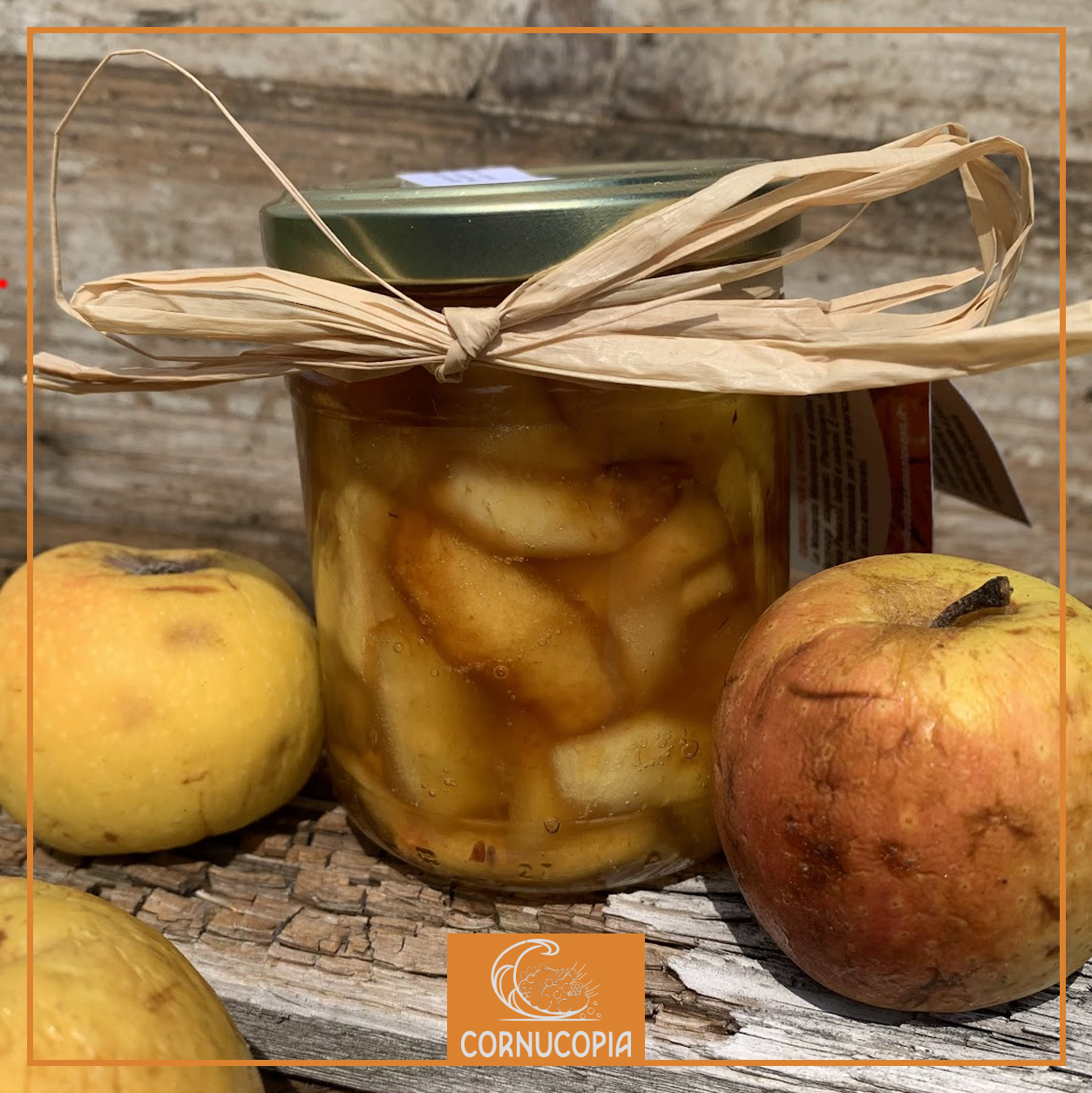
    Few traditional food products recall the flavors of the Middle Ages like mustards, with their sweet-spicy contrast to be paired with fatty and savory dishes. That of Campanine apple mostarda is probably the most emblematic representation of this sauce (or preserve), which combines a specific variety with a traditional processing.

    A small quantity of organic mostarda, which I have selected for authenticity and research of the product from the field to the laboratory, will soon be available for purchase in the e-commerce section. Products with this adherence to Cornucopia principles have been chosen to experience firsthand the history of our food and wine heritage, the same taste experiences as our ancestors.

    Follow the website, page, or channel for updates on a Cornucopia product that I am developing precisely these days, a product that combines the history of mostarda with that of the Campanina variety.

  • The Traianus Decius apple of Modena 🍎

    The Traianus Decius apple of Modena 🍎

    Attila, king of the Huns, may have been an undisputed symbol of atrocity, ‘earthquake and traccetia‘, but even he had to beat a retreat against the magister militum Aetius, in command of a fierce troop of Goths and Germans, in the mid-fifth century in the bloody battle where Theodoric I, king of the Visigoths, also lost his life. I like to think that in the Roman encampments in Gaul, inside the contuberni (tents) where the milites shared meals and war plans, there were also jars full of Decie apples. red, sour, fragrant, and as hardy as the soldiers of the Imperium. Perhaps they too kept them ripening on straw, in the sun.

    The theory that the Decian apple came from this great general (the ‘Aetius’ apple) does not seem to be the most quoted one, however. There are scattered sources documenting the presence of this apple in the Ravenna capital area almost one hundred and fifty years earlier, during the rule of Decius. In any case, we are talking about a variety of fruit that would be at least 1600 years old, although probably many more, and already present on the tables of the Romans before the fall of the Western Empire in the midst of the military anarchy that would later be calmed by Diocletian.

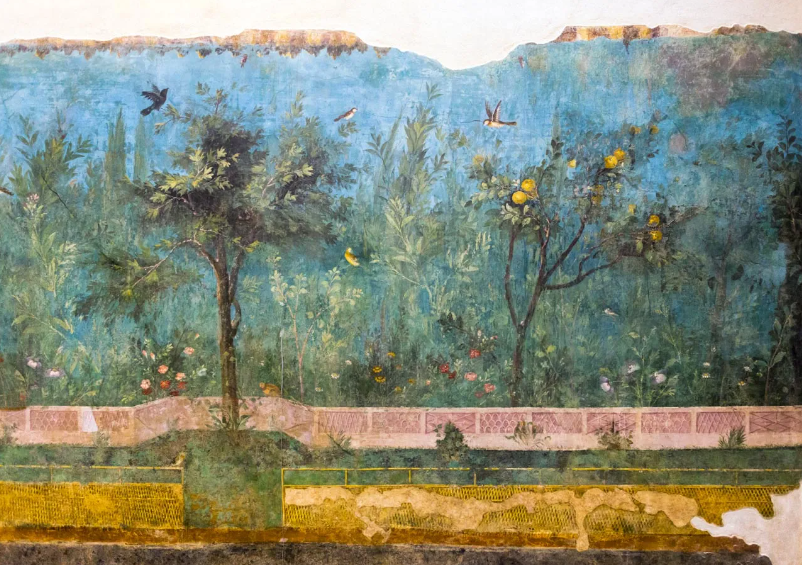
    The Villa of Livia, wife of Augustus

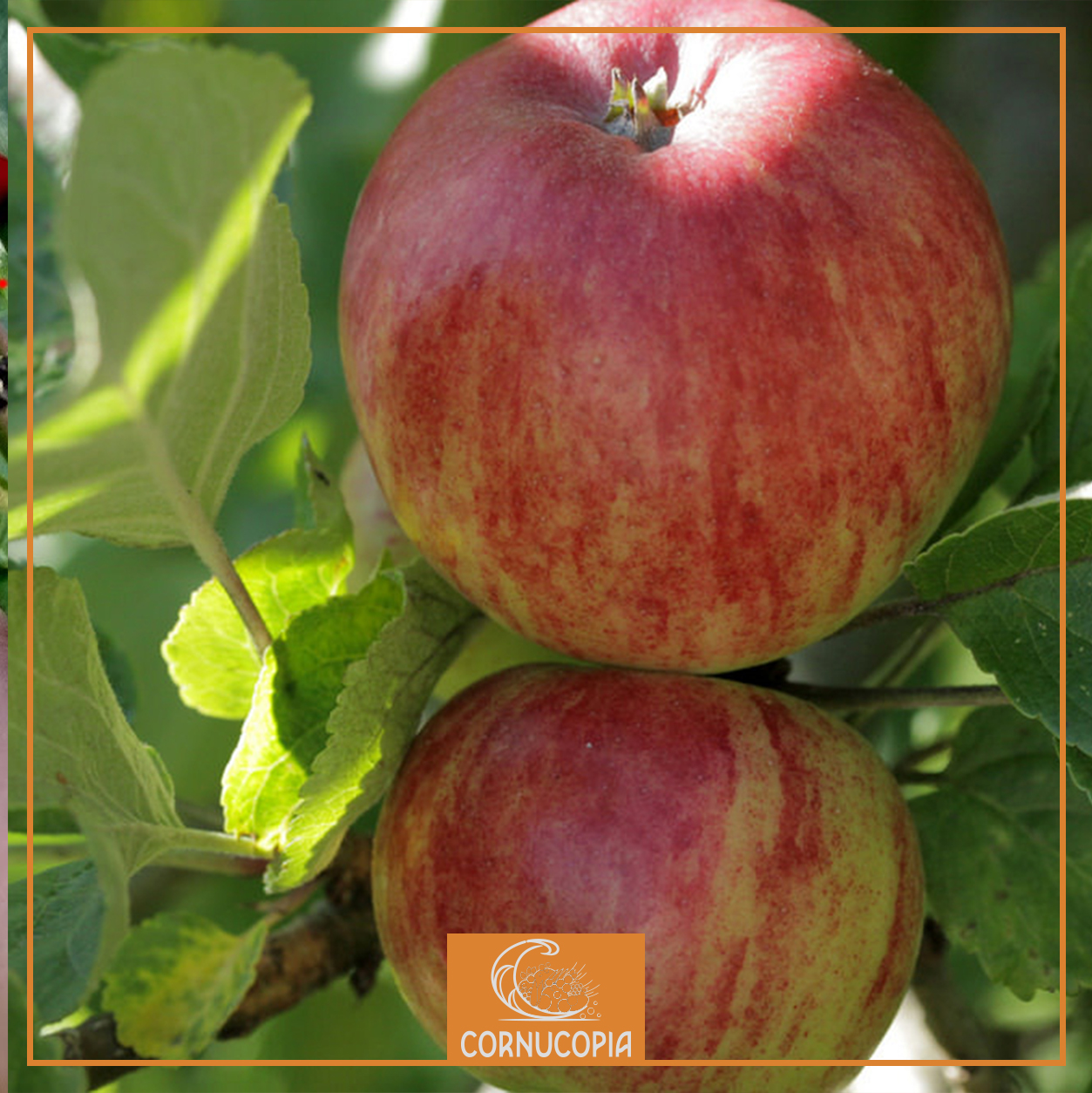
    Freakishly hardy and resistant to both stress ( we imagine transport) and various pathogens, the Decius has, like many other varieties debased by those of greater commercial value in recent decades, enjoyed great popularity up to the turn of the century. Count Gallesio, which we will certainly discuss in later posts, mentions Decio as one of the most widespread varieties in the House of Este breathing zone north of the Apennines, between Ferrara, Modena and Reggio Emilia. It spread as far as the Veneto region, where it is still considered indigenous and guarded by a group of courageous farmers in the province of Verona. It is not dissimilar in shape and ripening methods to the campanina, with which it also shares the characteristic ‘double’ bell-like fruit (so much so that it is sometimes also called Decio Campanino). Fragrant and excellent when cooked, the next time you taste it, think that it is the same flavour and aroma that the Romans of the Empire also smelled.

  • Sulla Rossa Reggiana

    Sulla Rossa Reggiana

    Quando, nel VI secolo i Longobardi, emersero dagli aspri passi montani del Nord Est da una terra chiamata Pannonia, videro una penisola taliana in completa rovina, devastata dalle crudelli guerre greco-gotiche, da interminabili alluvioni e carestie raccontate dai cronisti dell’epoca con toni davvero spaventosi. Seppure la loro permanenza fu perennemente martoriata da conflitti con i popoli dell’Impero Romano d’Oriente, il loro spirito guerriero gli permise di ritagliarsi grandi territori a colpi di fendenti di spada. Era il periodo dei ducati longobardi, culture che lasciarono un profondo segno nei territori ad Ovest delle paludi malariche di Nonantola, sotto forma di parole entrate nel linguaggio corrente, frammenti di codici legislativi, e la bella vacca Rossa Reggiana che, vuole la leggenda, accompagnò questi popoli durante le migrazioni.

    Seppure questa vicenda non sia mai stata completamente confermata (la genetica è una scienza molto complessa), testimonianze di una razza color grano (formentino, si dice nel linguaggio della campagna) risalgono a diversi secoli fa e accompagnano la vita di un prodotto che, soprattutto in questi giorni, fa parlare di sé in Italia e nel mondo: il formaggio di tipo grana (chiamato per via della granulosità della sua pasta “a roccia”), diffuso già a cavallo dell’anno 1000 in tutta la Longobardia (Emilia e Lombardia odierne, più o meno). Questo formaggio dalla pasta dura e resistente avrà modo nei secoli successivi di cambiare forma e lavorazione, che in periodi anche molto recenti prevedeva una complessa gestione dell’alimentazione delle vacche, passando dalla dieta primaverile dei primi sfalci umidi, anche se ricchi di fiori e olii (il cosiddetto formaggio maggengo) a quella invernale, che portava ad un formaggio più semplice da manipolare. Sul Parmigiano Reggiano torneremo più avanti, ma come potete immaginare non era possibile parlare della Rossa Reggiana senza parlare del re dei formaggi stagionati, che nella sua versione Vacche Rosse, come viene chiamato oggi, ne rappresenta indubbiamente l’eccellenza.

    Questa vacca di colore rossiccio non era l’unica della regione. C’erano anche altri animali simili nel Rinascimento, anche nelle zone tra Bologna e Ferrara, ad esempio, ma la popolarità del formaggio di grana delle zone che andavano da Lodi a Modena ha fissato nei secoli l’attenzione in particolar modo su questa razza. Grana Lodigiano e Grana Reggiano/Parmigiano nell’Ottocento passarono attraverso numerosi scontri legali e burocratici, ma la Rossa rimase sempre un punto fisso della produzione, affiancate da razze di montagna e a fine di quel secolo anche da quella che sarebbe diventata la nostrana Bianca Val Padana, per altro derivata anche essa dalla Rossa Reggiana.

    Non è difficile pensare addirittura che fosse la presenza stessa della Rossa Reggiana nelle stalle dei produttori di Reggio Emilia e città limitrofe uno dei motivi principali per cui si è venuta a creare, nel corso del tempo, una nomeclatura precisa per distinguere il grana lombardo da quello reggiano.

    Il motivo del prestigio e della persistenza della Rossa Reggiana nelle stalle per un millennio e passa è dovuto alle grandi qualità di questa razza. Un latte che meglio si adatta alla caseificazione, un’animale rustico, resistente, adatto anche a lavorare nei campi, longevo. Recenti studi scientifici hanno persino riscontrato nel latte di questo animale caratteristiche che lo rendono esente da alcuni effetti infiammatori dei latti di altre vacche cosiddette cosmopolite. Queste ultime razze, per lo più gli animali “bianchi e neri”, sono rappresentate da animali ipertiroidei spinti per la loro breve vita a produrre quantità mostruose di latte per sostenere la produzione di formaggio in tutto il mondo occidentale. Da duecento anni questi animali originari dell’Olanda vengono impiegati per la loro grande produttività ma è dal secondo dopoguerra che hanno cominciato a mangiare terreno anche nei confronti delle nostre razze autoctone, con il rislutato che Anna, qui sopra, è ancora capace di svolgere la sua funzione all’età di 9 anni, mentre metà della sua età la maggior parte delle Frisone Italiane sono pronte per essere trasformate in carne in gelatina dallo stabilimento Cremonini.

    Il latte di Rossa Reggiana meriterebbe un articolo a parte, come il Parmigiano Reggiano, ma concludo questo breve articolo di introduzione alla razza con una speranza. Da meno di 1000 capi questa razza è stata portata quest’anno a quasi 5000, ed è oggi parte grazie ad ANABoRaRe anche di un progetto universitario di ricerca chiamato Dual Breeding per la valorizzazione e l’analisi di questa razza non solo per approfondire la conoscenza sul suo latte (grandi passi avanti sono stati fatti ad esempio sulla tracciabilità di prodotto) ma anche introducendo tecniche sofisticate per migliorarne la genetica come animali da carne.

    Mi auguro che questo animale possa rimanere con noi altri 1500 anni se riusciremo a uscire dal catenaccio delle politiche agricole del dopoguerra.

    Scheda della Vacca Rossa Reggiana

  • On the Pàm Campanéin or the Chime Apple

    On the Pàm Campanéin or the Chime Apple

    That the Campanino Apple, or Pomo di Modena as it was known at the time, was extremely widespread to the point of becoming proverbial in centuries past, there is no shadow of doubt. Since the Middle Ages the broli (ancient orchard-gardens) of the Estense lands were rich in apple orchards, which in all likelihood included this small and extremely tenacious variety. Giorgio Gallesio, a very important Ligurian botanist famous for his work Pomona Italiana

    never saw the unification of Italy or the birth of the conflicts that led to it, but he traveled through its territories and had occasion to mention our bellflower precisely as “Pomo Modenese,” thus present in quantity as early as the 1800s. The count probably saw them lying in the farmyards of the countryside sunbathing, where they turned from dull green to bright red in a few days. Think of the spectacle. Not only did these fragrant melons not hold the frost, but in fact the cold made them tastier. In terms of storage, too, they were perfect. In September-October, they were harvested and remained firm and fragrant for months, without refrigerators or ice.

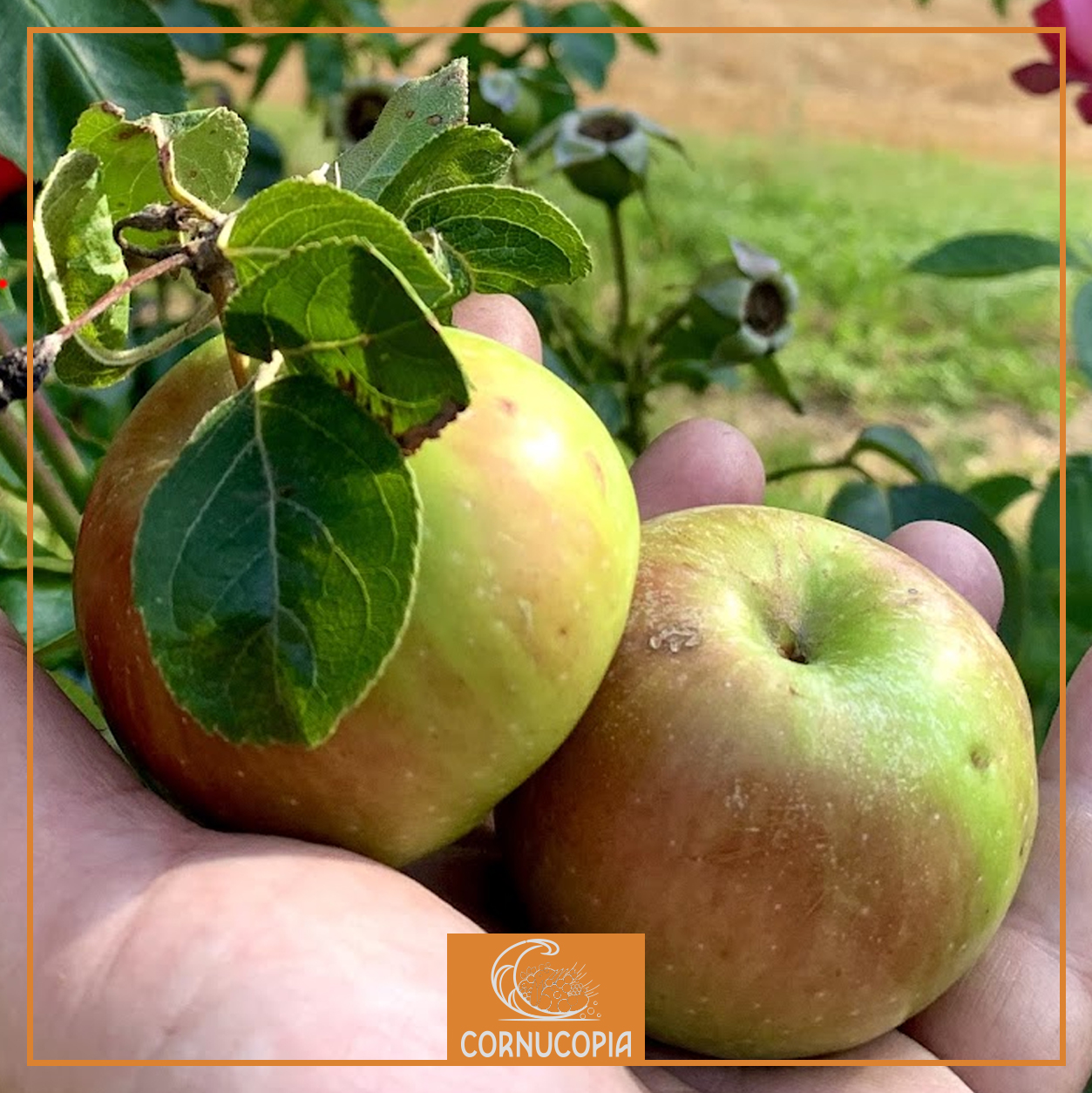
    The Campanina represents the Emilian territory (let’s include Mantua since in the 1800s it was cultivated up there more than here) in its most intimate meaning of terroir. It is very rustic, strong, produces wonderful fruits both cooked and raw, in mustards and preserves, even grows in my garden (see photo) without me pouring a drop of water. The campanina apple (thought to owe this more dialectal name because the fruits grow in pairs like two little bells) is in the soul of Modena, Reggio Emilia, Ferrara and Mantua. A little Gonzaga by adoption but very Estense. It has entered rural traditions for centuries, somewhat unripe as a splendid mostarda in Mantua, or more mature as grandmother’s apple with which she used to make fritters in our kitchens.

    Apple erosion occurs as early as the late 1900s however, this time we cannot blame the Atlantic. According to Mirandolian Vilmo Cappi it was already disappearing by the 1900s. Its dough “looks like marble,” said ours.

    It would now be a foregone conclusion that I am reporting a historic Cornucopia recipe such as Mantuan mustard, but I have decided to reserve an entire article devoted to the wonderful world of mustards and its uses through millennia of history in the coming days.

    Instead, I will refer to a recipe from 1864, from the “Encyclopedia of Progress” where it is used for anti-inflammatory purposes. Not surprisingly, scientific research on this apple has shown a huge antioxidant content (four times other commercial varieties); after all, these are defense systems for the plant itself, which did not live pampered in immense, irrigated orchards as it does today.

    Ah, the campanina also lots of pectin, use these if you can find them for your homemade jams, you only need a few cloves.

    Inflammation of eyes: cut two slices of the center of the Modena apple, ( this is the
    best ) Then apply one of these to each eye, in the evening at bedtime, rubbing the part well so that it remains during the night, and if the inflammation is obstinate, repeat the procedure again for seven to nine consecutive days.
    Experience has shown them to have always obtained a happy result with this simple method.

    From the ‘”Enciclopedia del progresso”, 1864

  • Del Pàm Campanéin ovvero Mela Campanina

    Del Pàm Campanéin ovvero Mela Campanina

    Che la Mela Campanino, o Pomo di Modena com’era conosciuta al tempo, fosse estremamente diffusa al punto da diventare proverbiale nei secoli passati, non v’è ombra di dubbio. Sin dal medioevo i broli delle terre Estensi erano ricchi di meleti, che con ogni probabilità comprendevano anche questa varietà piccola ed estremamente tenace. Giorgio Gallesio, importantissimo botanico ligure celebre per l’opera Pomona Italiana non vide mai l’unità d’Italia o la nascita dei conflitti che portarono ad essa, ma viaggiò per i suoi territori ed ebbe modo di accennare alla nostra campanina appunto come “Pomo Modenese”, presente quindi in quantità già nell’800. Probabilmente il conte la vide stesa nelle aie delle campagne a prendere il sole, dove da verde opaco diventavano in pochi giorni di un rosso brillante. Pensate lo spettacolo. Non solo queste meline profumate non tenevano il gelo, ma anzi il freddo le rendeva più saporite. Anche a livello di conservazione, erano perfette. A settembre-ottobre si raccoglievano e rimanevano sode e profumate per mesi, senza frigoriferi o ghiaccio.

    La Campanina rappresenta il territorio Emiliano (includiamoci anche Mantova visto che nell’800 era coltiovata più lassù che qui) nel suo significato più intimo di terroir. E’ rusticissima, forte, produce frutti meravigliosi sia cotti che crudi, in mostarde e conserve, cresce persino nel mio giardino (vedi foto) senza che io versi un goccio d’acqua. La mela campanina (si pensa debba questo nome più dialettale perchè i frutti screscono in coppia come due campanelle) è nell’anima di Modena, Reggio Emilia, Ferrara e Mantova. Un po’ Gonzaga d’adozione ma molto Estense. E’ entrata per secoli nelle tradizioni rurali, un po’ acerba come splendida mostarda a Mantova, o più matura come mela della nonna con cui preparava le frittelle nelle nostre cucine.

    L’erosione della mela avviene già a tardo ‘900 però, questa volta non possiamo dar colpa all’Atlantico. Secondo il mirandolese Vilmo Cappi stava scomperendo già nel 1900. La sua pasta “sembra marmo”, diceva il nostro.

    Sarebbe adesso scontato che riportassi una ricetta Cornucopia storica come quella della mostarda Mantovana, ma ho deciso di riserbarmi un articolo intero dedicato al meraviglioso mondo delle mostarde e dei suoi utilizzi attraverso millenni di storia nei prossimi giorni.

    Mi rifarò invece a una ricetta del 1864, da l’”Enciclopedia del progresso” dove viene utilizzata per scopi antiinfiammatori. Non sorprende che le ricerche scientifiche su questa mela abbiano evidenziato un contenuto di antiossidanti enorme (quattro volte altre varietà commerciali), d’altronde sono sistemi di difesa per la pianta stessa, che non viveva coccolata in frutteti immensi ed irrigati come oggi.

    Ah, la campanina anche tantissima pectina, usate queste se le trovate per le vostre confetture fatte in casa, ne bastano pochi spicchi.

    Infiammazione d’occhi: tagliansi due fettine del centro del pomo di Modena, ( questo è il
    migliore ) , levandone i granelli , poscia applicando una di queste sopra cadaun occhio, alla sera nell’andar a letto infasciando bene la parte in modo che rimanga durante la notte, e se l’infiammazione sarà ostinata si ripete di bel nuovo l’operato da sette a nove giorni consecutivi.
    L’esperienze ne hanno fatto vedere d’aver ottenuto sempre un felice risultato con questo semplice metodo.

    Da l’”Enciclopedia del progresso”, 1864

  • Chickens of Modena (and Nonantola and Reggio Emilia)

    Chickens of Modena (and Nonantola and Reggio Emilia)

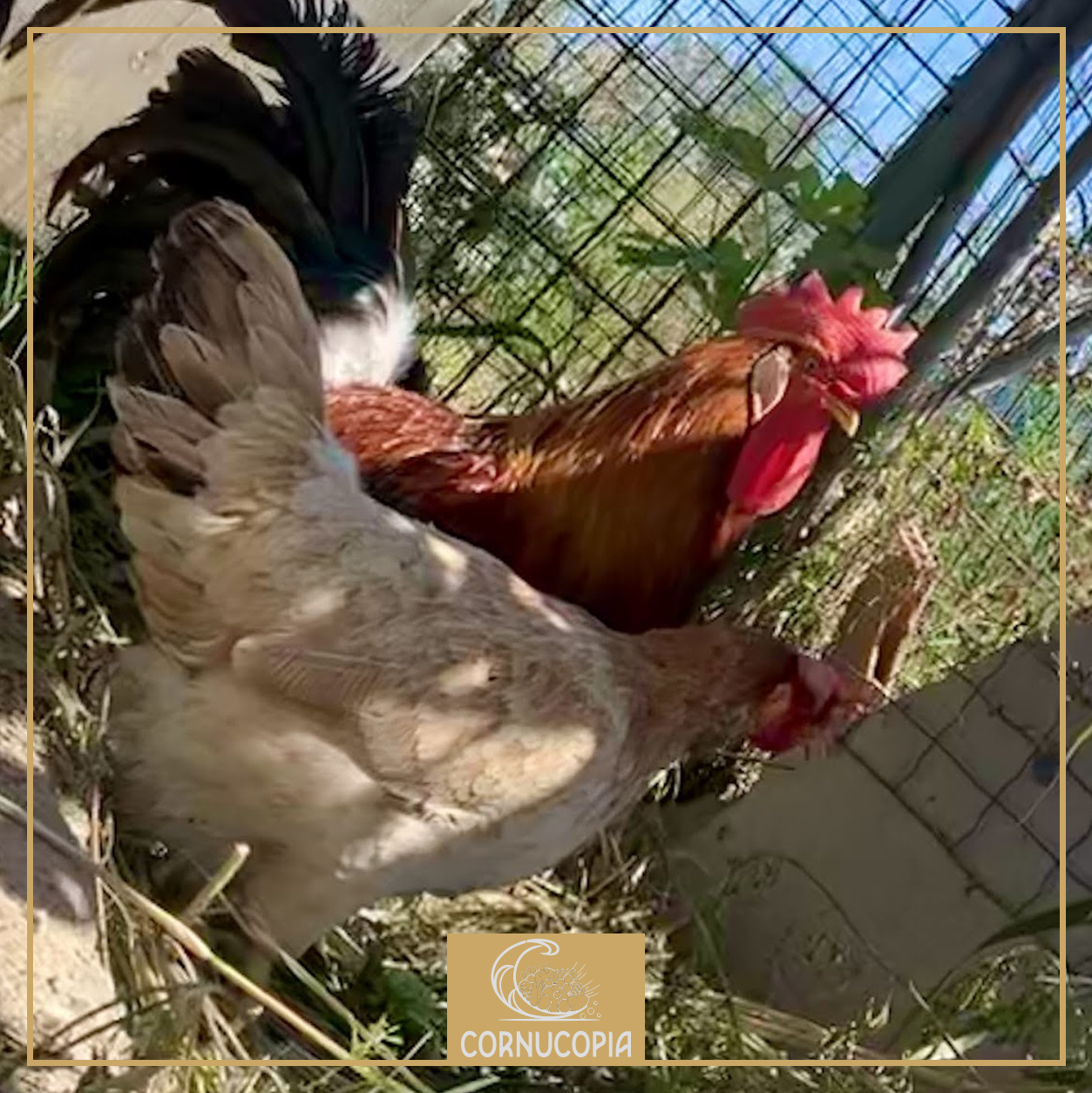
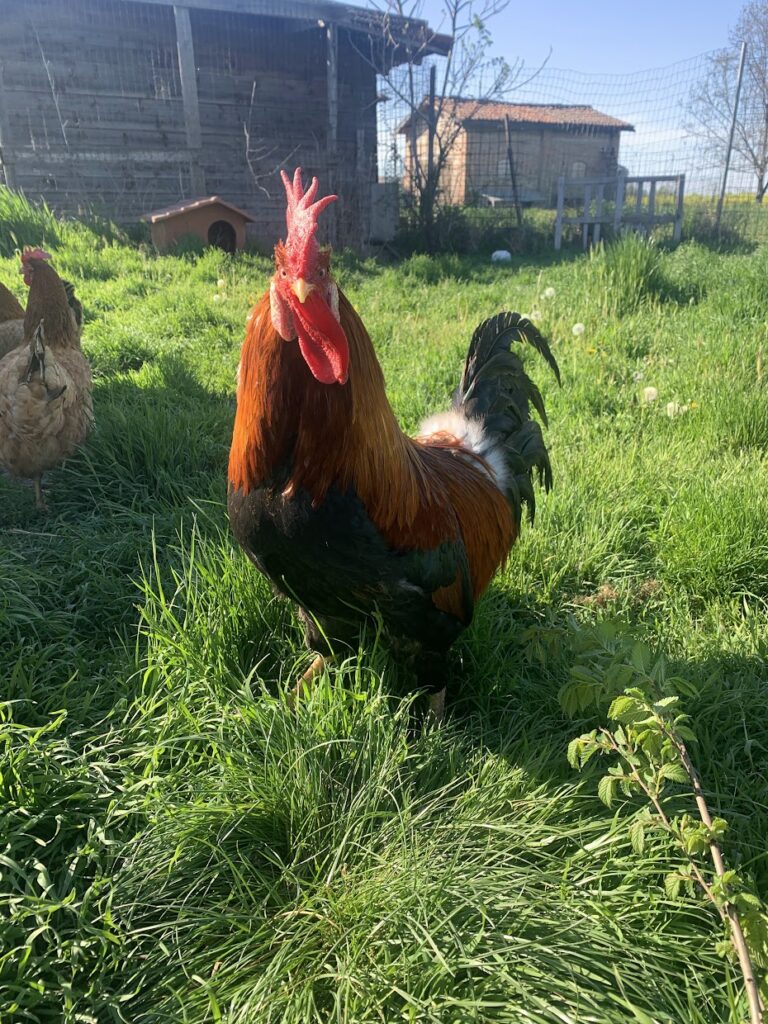
    Marcus Aemilius Lepidus, my Modenese rooster

    When in 1900 Gaetano Chierici, the recently elected mayor in the lists of the new socialist party, returned exhausted to his home in Reggio Emilia, he probably allowed himself to sink into the cushion of his soft armchair, observing the paintings hanging on the walls of the house, retracing his long past as a painter in his mind. Drinking a glass of acqua d’orcio (“barley water”), he was perhaps contemplating the evolution of his style, dwelling on the realist and hyperkinetic subjects of his last genre period. Here, amidst leggy kids and amusing moments of rural life immortalized on canvas, the wild golden wheat livery of the Modenese hen stood out.

    These paintings allowed the keeper breeders of Modena and neighboring provinces decades later to have a common point of reference to identify the breed par excellence of the chicken of Emilia. These are the same paintings that a few decades later would debunk the thesis that the Modenese hen is actually a new cross between the Padovana and Livorno Bianca e Dorata breeds.

    Like all native Mediterranean breeds of that period, the Modenese hen is a hen of Indian origin, with its white earlobes and even whiter eggs. That evolutive trunk of Roman and Phoenician origins from which all native Mediterranean breeds derive.

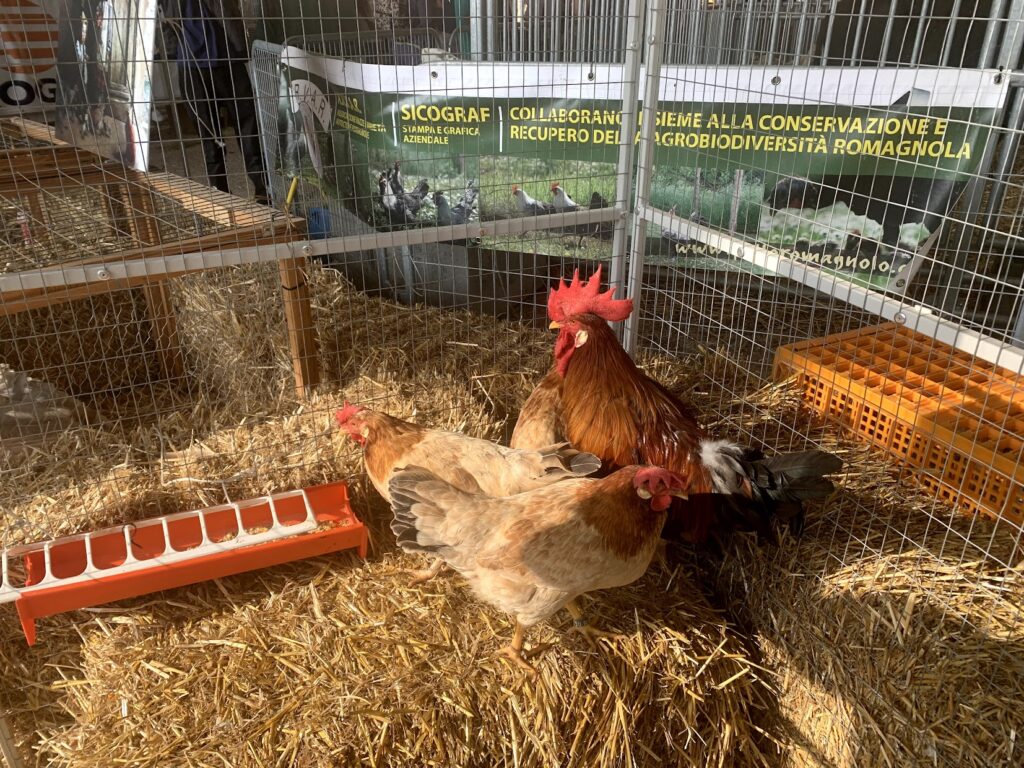
    Gallina Modenese o Fulva di Modena
    Modenese Hen or Fulva di Modena

    With the arrival of the great post-war Atlanticist revolution, native breeds (and not just poultry) began to disappear. The Modenese hen became almost extinct. Almost. In a courtyard in Nonantola, in the province of Modena, the Modenese was alive and well. And she enjoyed excellent company.

    Perhaps Giuliano Serafini’s grandmother had never seen Chierici’s paintings. She was in charge of the household, making ends meet, and looking after the family henhouse. Perhaps unwittingly, however, she saved the whole race from oblivion.

    What this woman knew was that these were the hens of her land and that it was important to look after them. From this small initial nucleus, year after year, interest in this breed with its old-fashioned characteristics grew. An interest that remains alive due to the tenacity of a few breeders, despite several timid attempts at recovery by associations and institutions that have evidently never really believed in it, or that perhaps have more interest in doing photo shoots when the moment is propitious than in guaranteeing these breeds a sustainable life.

    Modeneses, as mentioned, are very rustic, very energic. If you don’t have a strong hand and don’t know how to handle them, you find them on the roof and in the trees, mind the words of the writer who has got to know them first hand. They rage like mad. Independent in character, and frugal, they do not need special feeds or supplements. If you treat them well they live at least ten years. Giuliano brings the testimony of a hen that reached twenty-two years of age.

    Modenese eggs are small, white-shelled, all yolk. Their meat is tough and yellow fat, with a very thin skin that makes the cockerels a sight for the palate. And I won’t comment on the capons *drool*.

    The Cornucopia recipe for Modenese hen is a homage to the countryside of Reggio Emilia in the 19th century, which inspired the great artist Chierici. I think it is appropriate to talk about a little-known dish from the agricultural table of Reggio Emilia, a little-known dish but still alive and true, like the Modenese hen: al ris cun la tevdura.

    Al Ris Cun La Tevdura e i Ov Ed Mudnesa

    • rice, 250 g
    • stock, 1 lt
    • 🥚 Gallina Modenese eggs, 3
    • 🧀 Grana Reggiano… (Calm down, that’s what it was called in those days!), 3 spoonfuls
    • Pepper, a pinch
    • Salt

    Cook the rice in the broth. Beat the egg with the grated Grana Reggiano cheese (possibly from milk of Rossa Reggiana or Bianca Val Padana breeds) and pepper, then quickly add it to the cooked rice so that it becomes a thick, fragrant broth. You have no idea how delicious this dish is…

    Traditional Reggiano dish